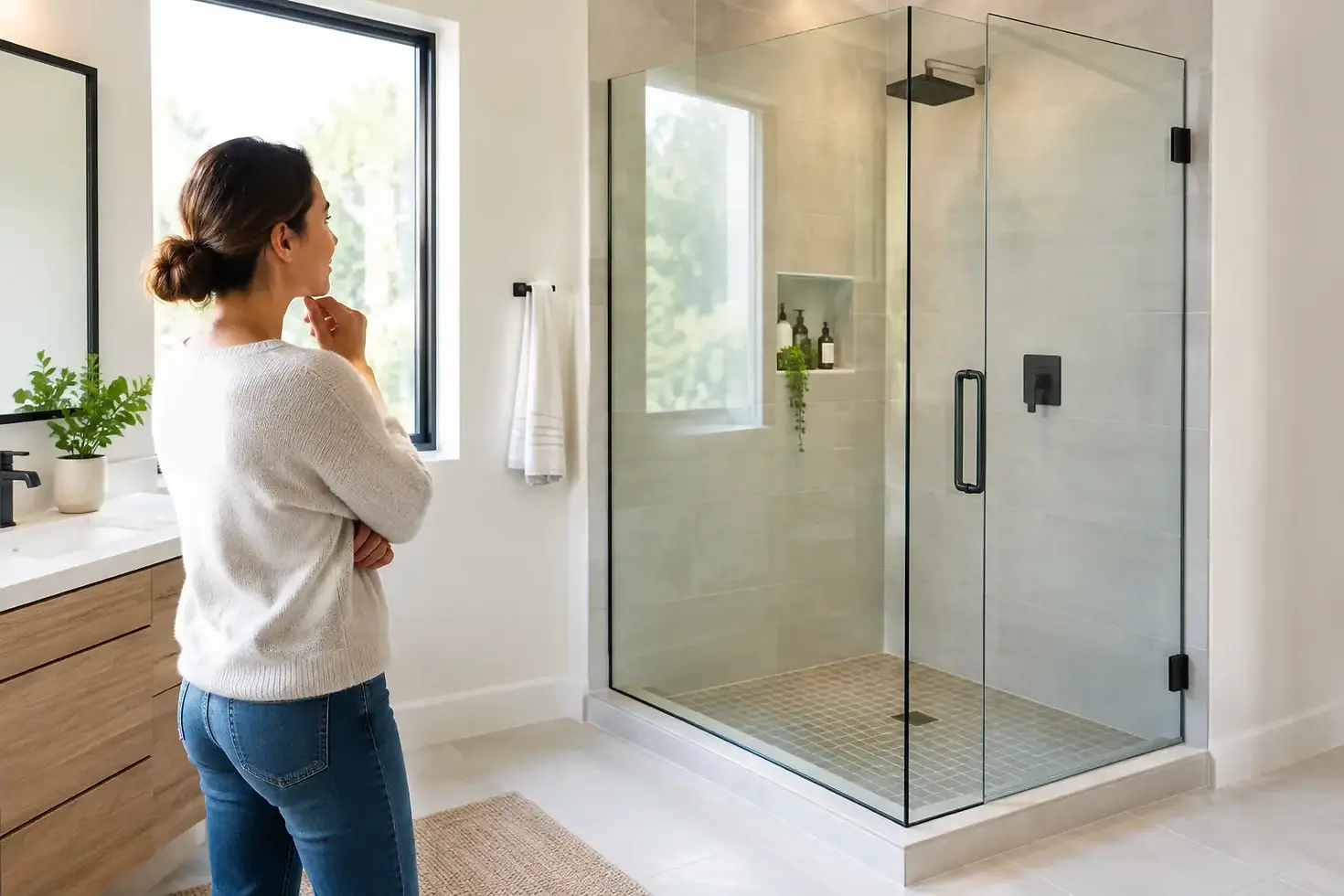
How to Choose Shower Doors That Last

A shower enclosure is one of the few bathroom upgrades you touch every day. The door has to open smoothly, keep water where it belongs, and still look precise after years of steam, cleaning, and regular use. Well-designed shower doors do all three, turning an ordinary bath into a cleaner, more finished space without adding visual clutter.
For homeowners planning a renovation, the right choice is rarely just a matter of picking clear glass. The opening size, wall conditions, shower layout, glass thickness, hardware, and installation method all affect the result. A custom measurement and a properly installed enclosure can prevent the small problems that make a new bathroom feel unfinished: uneven gaps, water escaping at the curb, dragging doors, or hardware that loosens over time.
Start With the Shower Layout
The most suitable enclosure is determined by how the shower is built. A narrow alcove may work best with a sliding system or a single hinged door, while a larger walk-in shower can support a fixed glass panel with an open entry. Corner showers, neo-angle layouts, and tubs with shower functions each require a different approach to glass placement and door swing.
Before selecting a door style, consider how the bathroom is used. A hinged door needs clear floor space to open safely. If a vanity, toilet, or towel bar sits close to the entry, a sliding door may be the more practical option. A fixed-panel walk-in design offers a clean modern appearance, but the opening must be sized carefully enough to limit splash-out.
The curb and drain location matter as well. Water should naturally return to the drain, not collect along the door threshold or run toward the bathroom floor. An experienced glass installer reviews these details before fabrication rather than trying to solve them after the glass arrives.
Frameless Shower Doors and Semi-Frameless Options
Frameless shower doors are a strong fit for homeowners who want clean lines and an open view of the tile, stone, or wall finish. They use thick tempered safety glass and minimal hardware, allowing the enclosure to feel less enclosed than a traditional framed system. This style is especially effective in smaller bathrooms, where heavy framing can make the room feel tighter.
The word “frameless” does not mean hardware-free. Hinges, clamps, handles, seals, and support bars all have structural roles. Quality hardware carries the weight of the glass while maintaining proper alignment at the door edges. The goal is a finished appearance that feels simple because the engineering behind it has been handled correctly.
Semi-frameless systems use more perimeter framing but retain a cleaner look than older fully framed doors. They can be a sensible choice when a project has a tighter budget, when wall conditions are less ideal, or when the enclosure design benefits from additional adjustment. Neither option is automatically better. The right solution depends on the opening, the desired look, and the level of daily performance expected.
Why Glass Thickness Matters
Most custom frameless enclosures use tempered glass selected for shower applications. Thicker glass provides a substantial feel and can support certain hinge and panel configurations, but thickness alone does not guarantee quality. Properly sized hardware, sound wall anchoring, accurate clearances, and careful installation are equally important.
Tempered glass is designed to break into small pieces rather than sharp shards if it fails. Because it cannot be cut, drilled, or reshaped after tempering, measurements must be finalized before fabrication. That is why professional field measuring is not a minor step. It is the point where the final design becomes a buildable, reliable installation.
Hardware Should Match the Room and the Workload
Shower hardware has a visual role, but it is also working hardware. Hinges and rollers operate repeatedly in a high-moisture environment, and handles are pulled every day. Choose finishes that complement the faucets and fixtures, then make sure the product itself is built for the weight and configuration of the glass.
Chrome remains a versatile choice for bright, classic bathrooms. Brushed nickel offers a softer appearance and can hide water spotting better in some settings. Matte black provides contrast against light tile, while brushed brass or warmer metallic finishes can add a more tailored look. Finish selection should be coordinated early, particularly when other bathroom fixtures have longer lead times.
For sliding systems, roller quality and track alignment deserve close attention. A slider should move quietly without catching or drifting. For hinged doors, the hinge type, glass cutouts, and wall attachment method must be selected based on the door width and weight. Oversizing a door for a dramatic look can create unnecessary stress on the hardware and reduce long-term adjustability.
The Walls Behind the Tile Matter
A beautiful tile installation is not always a ready-made mounting surface. Hinged shower doors and fixed panels transfer weight and movement to the walls, so the backing behind the finished surface must be suitable for the planned hardware. Whenever possible, blocking or reinforcement should be planned during the framing stage of a renovation.
This is particularly important for large glass panels and heavy swinging doors. Relying on tile alone is not an acceptable substitute for proper structural support. A qualified installer will assess wall plumb, finished dimensions, curb level, and available anchoring before recommending a final configuration.
Older homes can present additional challenges. Walls may not be perfectly straight, corners may be out of square, and existing tile may vary in thickness. Custom fabrication helps accommodate minor conditions, but it cannot correct every underlying issue. Identifying limitations early protects the schedule and helps avoid compromises at installation.
Water Management Is Part of the Design
No swinging glass door is completely watertight in the same way as a sealed framed unit. Frameless systems use carefully placed gaps, sweeps, and seals to balance smooth operation with water control. A well-planned enclosure keeps normal shower spray contained, but it should not be designed around directing a high-pressure showerhead straight at a door seam.
The showerhead position, door swing, fixed panel placement, and curb slope should be considered together. A small return panel may be worthwhile where a wide opening is exposed to spray. In other layouts, a discreet bottom sweep or vertical seal can substantially improve performance without changing the clean look of the enclosure.
Good design is practical, not just minimal. The fewest visible parts are not always the best answer if they create a wet bathroom floor or a difficult cleaning routine.
Measuring and Installation Determine the Final Result
Custom glass work rewards precision. Measurements should be taken after the tile, curb, and wall finishes are complete, since even small changes in finished surfaces affect the fit. The installer should measure multiple points across the opening and account for walls that lean, floors that are not level, or corners that are not square.
During installation, glass panels need to be set, shimmed, secured, and aligned so door gaps are consistent and movement is smooth. Hardware must be tightened to manufacturer requirements, not simply forced into place. The final adjustments may be subtle, but they determine whether the door closes cleanly and whether seals contact as intended.
For a renovation with custom tile or stone, it is also wise to coordinate the shower door installation near the end of the project. This reduces the chance of damage from other trades and allows the glass to be measured against the actual finished space.
Keeping Glass Clear for Years
Glass is low-maintenance, but it is not maintenance-free. Hard-water minerals and soap residue can build up quickly, especially on clear panels. A daily squeegee takes less than a minute and remains the simplest way to reduce spotting. Use a non-abrasive cleaner and soft cloth rather than harsh pads that can damage hardware finishes or leave scratches.
Ventilation also makes a difference. Running the bathroom fan during and after a shower helps reduce lingering moisture on glass, grout, and surrounding surfaces. Check sweeps and seals periodically for wear, and address loose hardware or changes in door alignment before they become larger issues.
A custom enclosure should feel solid, open cleanly, and make the room easier to enjoy. Choosing the right layout and working with an installer who treats measurement, anchoring, and finishing details seriously is what gives shower doors their lasting value.


Comments