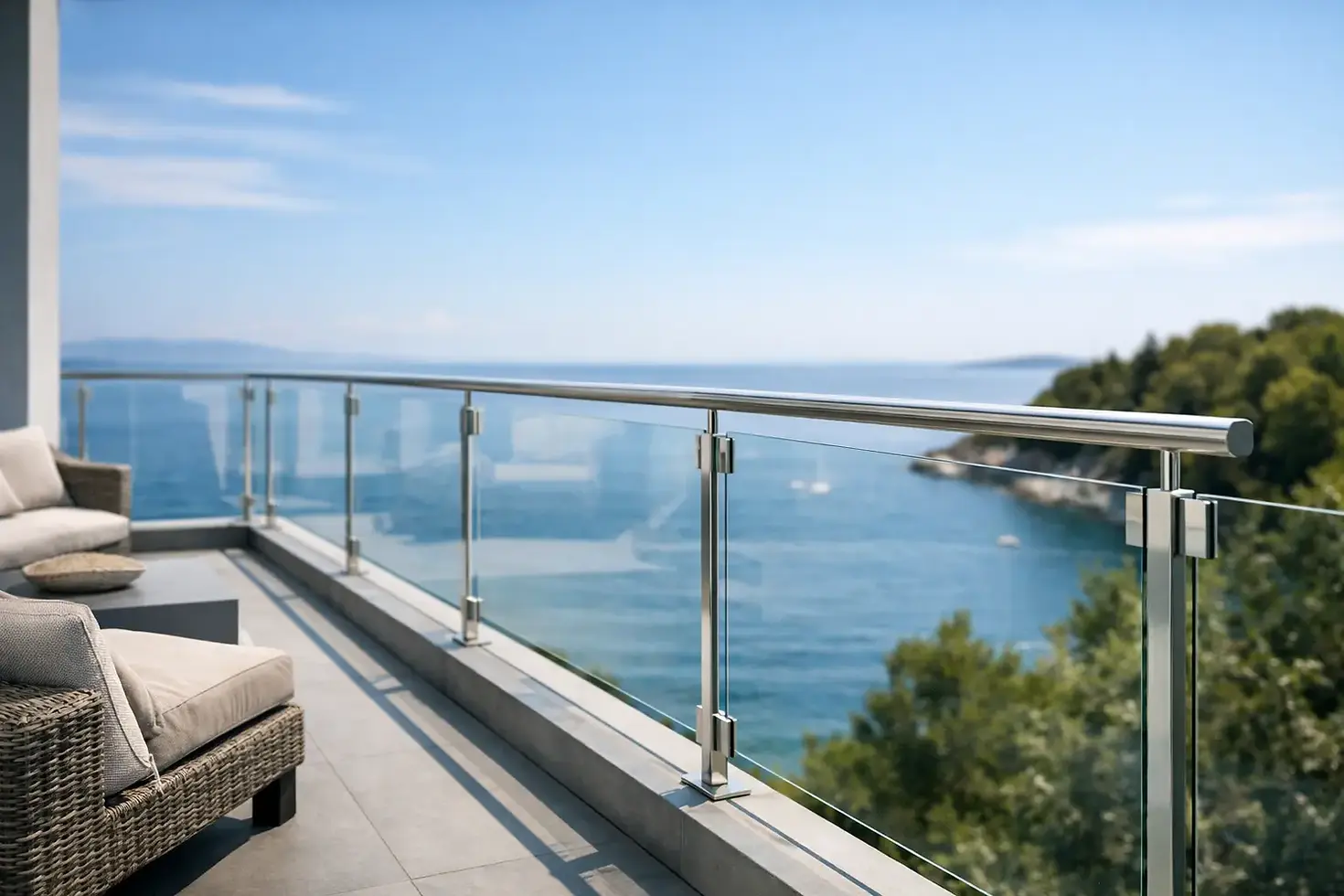
Glass Balcony Railing Systems That Last
- Status Railings

- Jul 1
- 6 min read
A balcony upgrade usually starts with looks. It gets approved or delayed based on safety. That is why glass balcony railing systems deserve a closer look before any material is ordered. When the system is designed and installed properly, it gives you open views, strong protection at the edge, and a finish that holds up far better than many homeowners expect.
For homeowners, builders, and property managers, the appeal is straightforward. Glass creates a cleaner exterior line, brings in more light, and avoids the closed-off feel that comes with heavier railing options. But a good result depends on more than choosing glass over pickets. The real value comes from selecting the right system, the right hardware, and an installer who understands code, structure, and long-term performance.
Why glass balcony railing systems are in demand
Modern exteriors benefit from visibility. On a second-story balcony, rooftop terrace, porch, or raised deck, solid or bulky railings can interrupt the architecture and block the feature people are paying for most - the view. Glass keeps the space visually open while still defining a safe perimeter.
There is also a practical advantage. Glass does not rot, warp, or require regular repainting the way wood railings often do. With the right framing materials, especially aluminum, the system is built to handle weather exposure with much less maintenance over time. For many property owners, that combination of cleaner design and lower upkeep is the deciding factor.
In commercial settings, the reasons are similar but the stakes are often higher. A building entrance, terrace, or upper-level balcony has to look professional, meet code, and stand up to heavier use. A well-built glass railing system checks those boxes without making the property feel overbuilt.
The main types of glass balcony railing systems
Not every glass railing is built the same, and the differences matter. Some systems use aluminum posts with glass panels installed between them. Others reduce visible framing for a more open appearance. Frameless systems push that minimal look even further by relying on a base shoe or specialized mounting system rather than vertical posts at each section.
An aluminum-and-glass system is often the most balanced option. It provides a modern appearance, clear sightlines, and strong structural support while keeping costs more predictable than a fully frameless design. It also works well across a wide range of residential and light commercial applications.
Frameless systems create the cleanest look, but they require tighter planning and higher precision. They can be an excellent fit for high-end balconies where preserving the view is a priority. The trade-off is that installation tolerances, structural conditions, and hardware quality become even more important. If the balcony substrate is uneven or the structure needs reinforcement, those issues need to be addressed before fabrication and installation begin.
That is why system selection should never be based on appearance alone. The best choice depends on the building type, the mounting surface, local code requirements, and how the balcony will actually be used.
Safety and code come first
A railing system is not decorative trim. It is a life-safety component. On any balcony, the system has to meet height requirements, loading requirements, spacing rules, and installation standards. Glass thickness, tempering requirements, handrail details, and anchoring methods all play a role.
This is where many projects can go wrong. A railing may look finished, but that does not mean it has been engineered or installed to perform properly. Hardware that is undersized, poor attachment into the structure, or panels fabricated without the right specifications can create serious problems later.
A professional installer will account for code from the beginning, not after the fact. That means reviewing the project conditions, confirming the substrate, planning attachment points, and making sure the completed system is built to pass inspection where required. For homeowners, that reduces risk. For builders and commercial clients, it helps keep the job on schedule and avoids expensive corrections.
What affects durability over time
Glass itself is often more durable than people assume. The weak point in many railing systems is not the panel. It is the hardware, the framing material, or the installation quality. If those elements are poorly chosen, the system can loosen, stain, corrode, or collect water where it should not.
For exterior balconies, aluminum is a strong pairing with glass because it resists rust and performs well in changing weather. That matters in climates with moisture, snow, freeze-thaw cycles, and hot summers. A properly finished aluminum system keeps its appearance with far less maintenance than painted steel or wood.
The details matter just as much as the material. Drainage, fastener quality, edge protection, and precise alignment all influence how the railing performs year after year. Even cleaning access should be considered during design. A system that looks excellent on day one but is difficult to maintain on an upper balcony can become a frustration quickly.
Glass will show dirt, fingerprints, and water spots more readily than some other materials. That is the trade-off for a clean, transparent finish. For many owners, it is a worthwhile trade because routine cleaning is still easier than scraping, staining, or replacing deteriorated wood.
Design choices that change the final result
The phrase glass balcony railing systems covers a wide range of visual outcomes. Clear glass is the most common choice because it preserves the view and works with almost any exterior style. Tinted, frosted, or privacy-focused glass can also be used when screening is part of the goal, though that changes the feel of the balcony and may reduce the open effect that makes glass appealing in the first place.
Top rail selection also matters. Some owners want the crispest possible appearance with minimal visible framing. Others prefer the comfort and visual definition of a continuous top rail. Neither is automatically better. It depends on the style of the property, the intended use, and the code conditions for that specific application.
Post layout, panel sizing, corner detailing, and transitions to stairs or adjacent walls all affect the finished appearance. This is where craftsmanship shows. A glass railing should feel straight, balanced, and intentional from every angle. Small inconsistencies are much easier to notice when the design is clean.
Why installation quality matters as much as the product
Even premium materials can underperform if the railing is installed without precision. Balcony railings have to deal with exposure, movement, structural load, and daily use. The system needs to be level where it should be level, plumb where it should be plumb, and securely attached to the structure below.
Good installation starts before the first panel arrives. Site conditions need to be measured accurately. Any slope, out-of-square condition, or substrate issue has to be identified early. Fabrication should match field conditions, not assumptions from a rough sketch or a builder plan that changed during construction.
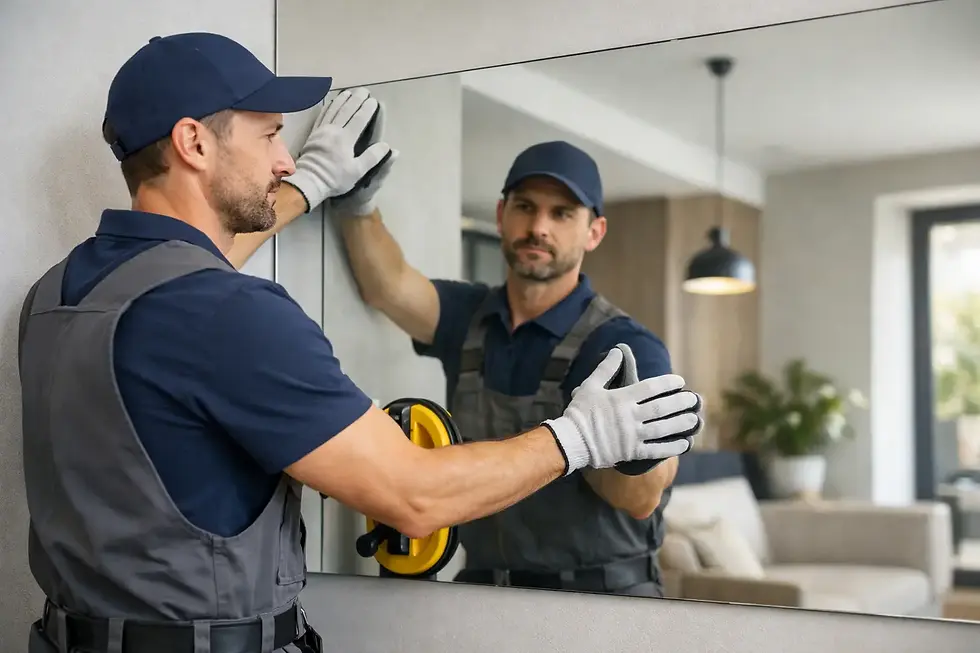
That is one reason specialized contractors tend to deliver better results than general installers handling railings as a side service. A team focused on glass and aluminum railing systems understands how the pieces come together in the real world, where tolerances, code, and finish quality all meet at the same edge.
For clients comparing quotes, the lowest number rarely tells the full story. Ask what materials are included, how the system will be anchored, whether code requirements have been reviewed, and who is responsible for field measurement and final installation. A faster install is not always a better install if key steps are skipped.
Where glass balcony railing systems make the most sense
These systems are a strong fit for raised decks, second-floor balconies, rooftop spaces, multifamily exterior corridors, and commercial terraces. They work especially well where the view, natural light, or building facade should remain visible.
They may be less ideal in locations where constant spray, heavy debris, or very high privacy is the main concern. In those cases, a mixed approach might make more sense, such as combining glass with privacy panels or using a different railing type in selected sections. The right answer depends on how the space is exposed and how the owner plans to use it.
For many projects, the best outcome comes from treating the railing as part of the architecture rather than an accessory added at the end. When the system is matched to the structure, the layout, and the building style, it improves both safety and the overall finish of the property.
A well-built glass balcony railing should do two things at once. It should disappear enough to open the space, and perform strongly enough that you never have to question it. That balance is what makes the investment worthwhile years after installation.


Comments