Aluminum Privacy Panels Outdoor Guide
- Status Railings

- 4 days ago
- 6 min read
A deck can be beautifully finished and still feel exposed. The problem usually is not the railing. It is the sightline. Aluminum privacy panels outdoor solve that issue by adding targeted screening where people actually need it - beside a hot tub, along a shared property line, at the end of a porch, or around a balcony that faces neighboring windows.
For homeowners and builders, that makes them more than a decorative add-on. A well-built privacy panel improves comfort, defines space, and gives an exterior a cleaner architectural finish. When the panel is fabricated and installed properly, it also holds up to weather far better than many wood alternatives and requires much less upkeep over time.
Where aluminum privacy panels outdoor make the most sense
Not every project needs full enclosure. In many cases, partial privacy is the better design choice. A screened section can block a direct line of sight without making a deck or porch feel boxed in.
This is why aluminum privacy panels outdoor are often used in specific zones rather than around an entire perimeter. A panel beside a seating area can create a more usable outdoor room. On a balcony, it can reduce visual exposure from neighboring properties while keeping the space open above the rail line. On a front porch, it can provide separation from the street without making the entry feel closed off.
For commercial properties, the value is similar but usually more functional. Privacy panels can define waiting areas, separate patio sections, and improve the appearance of multi-unit or mixed-use spaces where sightlines matter. In those settings, clean fabrication and a consistent finish are just as important as screening.
Why aluminum performs better outdoors
Outdoor materials do not fail all at once. They fade, swell, rust, loosen, and start looking tired long before they stop functioning. That is where aluminum has a clear advantage.
Unlike wood, aluminum does not absorb moisture, warp with seasonal changes, or require repeated sanding, staining, or painting. Unlike untreated steel, it is not vulnerable to the same kind of visible corrosion. For exposed exterior applications, that low-maintenance profile matters. Most property owners want a privacy solution that looks sharp for years without becoming another repair item on the list.
The finish also matters. A quality powder-coated aluminum panel gives the surface a uniform look and an added layer of protection against sun exposure, precipitation, and everyday wear. In practical terms, that means less fading, easier cleaning, and better long-term appearance.
That said, not all aluminum panel systems are equal. The gauge of the material, the quality of the coating, the frame design, and the attachment method all affect how the installation performs. A privacy panel should feel integrated into the structure, not added as an afterthought.
Design options that change the look and function
The term privacy panel covers a wide range of configurations. Some projects call for full visual screening. Others only need partial obstruction while still allowing airflow and light.
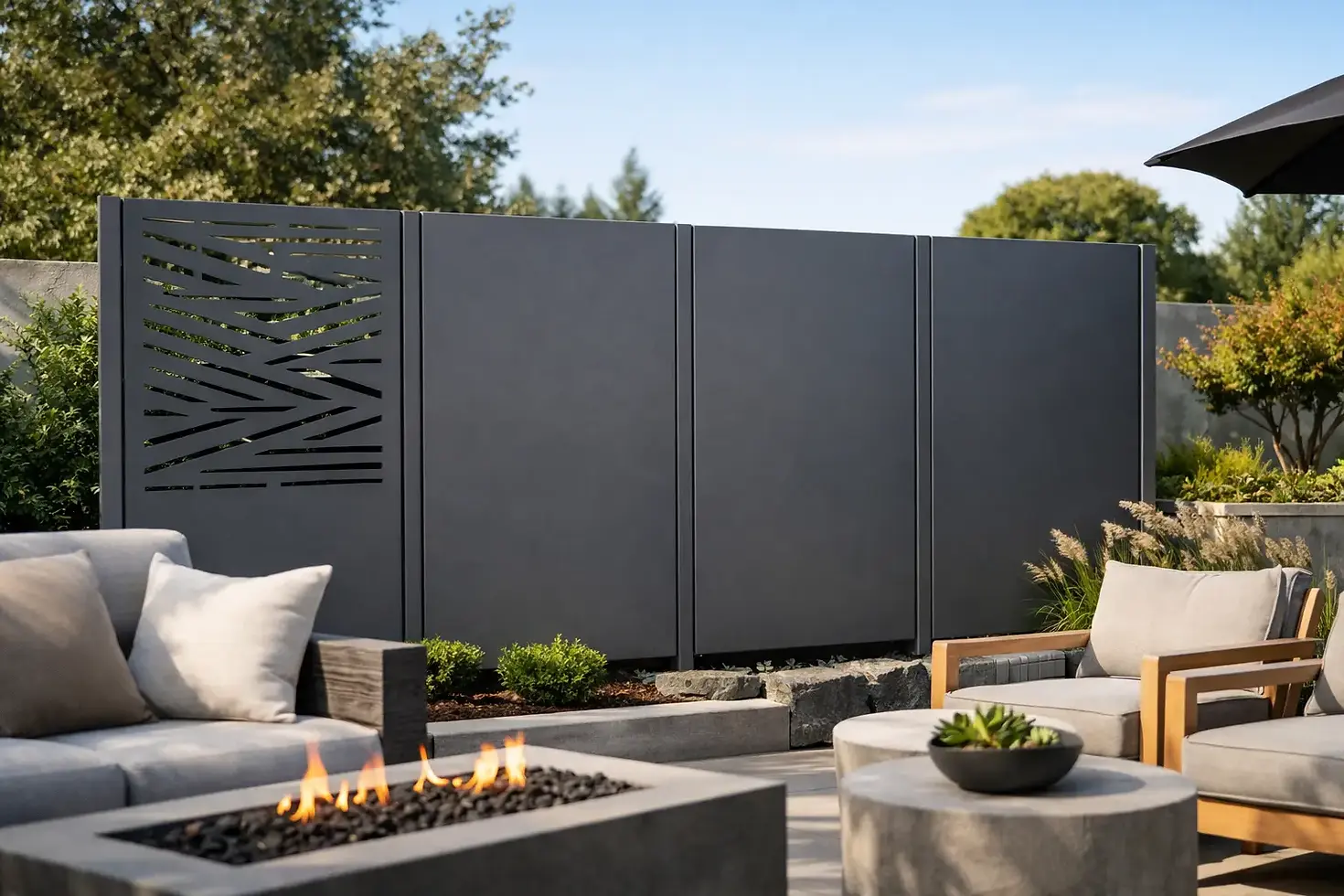
A slatted aluminum panel is one of the most common choices because it balances privacy with openness. Depending on spacing and orientation, it can limit direct visibility while avoiding a heavy, solid-wall appearance. This works especially well on modern decks, rooftop spaces, and contemporary porch designs.
Solid infill panels create more complete separation. They are often used when privacy is the primary goal, such as around hot tubs, side-yard seating areas, or low-rise balconies facing adjacent homes. These panels can look very clean, but they need to be placed carefully. Too much solid screening in the wrong location can make an outdoor area feel smaller than it is.
Decorative laser-cut or patterned panels offer a more customized look, though they are usually chosen for aesthetics as much as privacy. They can work well in select applications, but they are not always the best fit if complete screening is needed. In many residential settings, a straightforward slat or framed panel system delivers the best balance of privacy, durability, and visual restraint.
Aluminum privacy panels outdoor and code considerations
Privacy panels are not just visual features. In many installations, they connect to deck framing, railing systems, balcony edges, or porch structures that must meet code requirements.
That is why panel height, attachment points, structural support, and relationship to guards or rails need to be considered early. If a panel is being integrated into a guard system or installed on an elevated surface, the details matter. A poorly planned installation can create issues with stability, drainage, or inspection approval.
For homeowners, the key point is simple: outdoor screening should be treated like a permanent exterior construction element, not patio furniture. It needs to be measured correctly, anchored properly, and built for the conditions it will face. That is especially true in climates with wind, snow, freeze-thaw cycles, and prolonged UV exposure.
A contractor experienced in aluminum systems will usually look at more than just the panel itself. They will assess the framing below, the mounting surface, surrounding rail sections, and how the finished installation affects safety and usability. That level of planning makes a major difference in long-term performance.
Best places to install outdoor privacy panels
The strongest installations are the ones that solve a specific problem. On a raised deck, the most common issue is lateral exposure from neighboring yards. In that case, a side privacy panel near the seating area usually does more than enclosing the entire deck.
On porches, a panel can create a stronger sense of entry and make the space more comfortable without blocking front visibility completely. Around a pool or spa, privacy screening helps the area feel more intentional and better protected from direct sightlines.
Balconies are another strong fit. In urban settings, they often face nearby buildings, side windows, or shared outdoor spaces. A well-placed aluminum panel creates separation while matching the clean lines of modern railing systems.
Commercial applications tend to benefit from consistency. If the property already uses aluminum rails, gates, or partitions, matching privacy panels can carry the same finish and design language across the site. That gives the project a more complete, professional appearance.
What to expect from a custom installation
Good privacy panels are rarely one-size-fits-all. Outdoor spaces vary too much in width, grade, elevation, and exposure. Custom fabrication allows the panel dimensions, post spacing, finish, and mounting details to match the actual structure instead of forcing a standard product into place.
That matters both visually and structurally. A custom-fit panel sits cleaner, aligns properly with adjacent railings or trim, and avoids awkward filler pieces that can cheapen the look. It also gives the installer more control over how loads are transferred and how the system is secured.
For many property owners, the finish is part of the decision. Black remains a common choice because it works with most modern exterior palettes, but other powder-coated colors can fit a broader architectural style. The right finish should support the home or building, not compete with it.
A specialist contractor will also help determine whether a panel should be freestanding, integrated into the railing, or mounted between structural posts. That decision depends on layout, sightlines, and the strength of the underlying surface.
The trade-offs to think through before choosing a panel
More privacy is not always better. A fully screened deck may block unwanted views, but it can also reduce openness, affect natural light, and change wind movement across the space. In some cases, a narrower panel in the right location does more than a full run of screening.
There is also a difference between visual privacy and acoustic privacy. Aluminum panels can block sightlines, but they will not eliminate noise from traffic, neighbors, or nearby common areas. If the main problem is sound, the solution may need a different approach.
Budget is another factor. Aluminum typically costs more upfront than basic wood screening, but the long-term maintenance picture is usually much better. When property owners compare repainting, staining, repairs, and early replacement, aluminum often becomes the more economical choice over the life of the installation.
For projects where design consistency matters, the value is even clearer. Matching privacy panels with aluminum railings, gates, or porch elements creates a more finished exterior than mixing materials with different aging patterns and maintenance needs.
Choosing the right contractor for aluminum privacy panels outdoor
The panel itself is only part of the result. Layout, measurements, fabrication quality, and installation precision all affect how the finished product looks and how long it lasts.
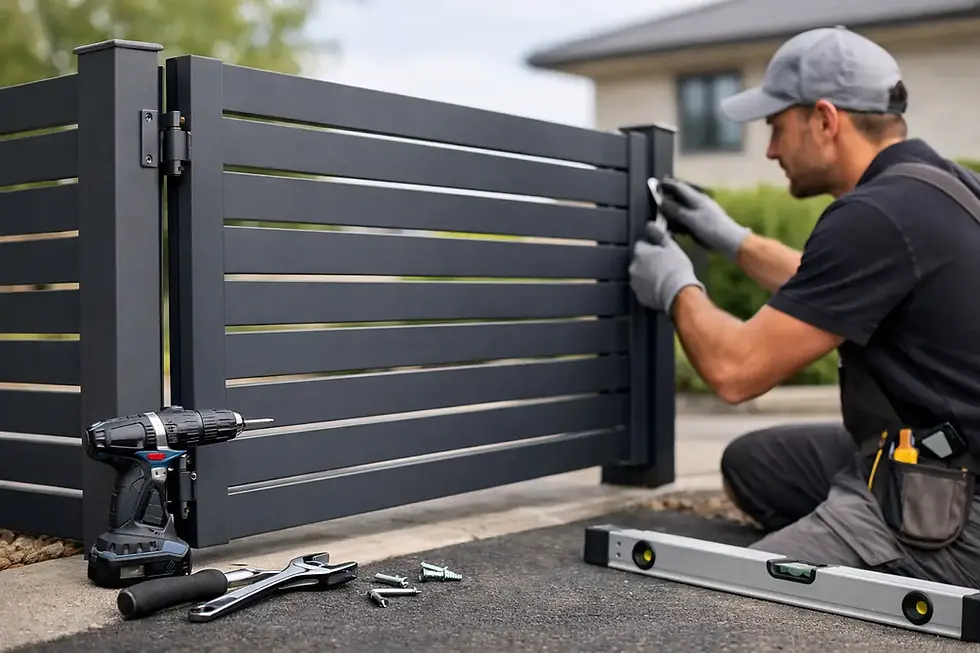
A contractor who works regularly with aluminum railing and privacy systems will understand the details that general installers often miss - proper fastening, clean alignment, drainage awareness, and code-driven structural planning. They should be able to explain where privacy is actually needed, what style fits the property, and how the panel will integrate with the rest of the exterior.
That practical guidance is where experience shows. At Status Railings, projects are approached with the same priorities that matter across any exterior aluminum system: clean execution, code-compliant installation, and finishes built to last.
If you are considering outdoor privacy panels, the best starting point is not a catalog photo. It is a clear look at how you use the space, where exposure is coming from, and what kind of installation will still look right years from now. The right panel should do its job quietly - making the space feel better, work better, and stay that way.


Comments